
Open-world endgame activities have gained lasting relevance thanks to scalable difficulty systems. By adjusting challenge based on participation and player power, these activities remain engaging without requiring fixed group sizes or strict schedules. Difficulty scaling transforms open-world content from casual filler into meaningful progression.
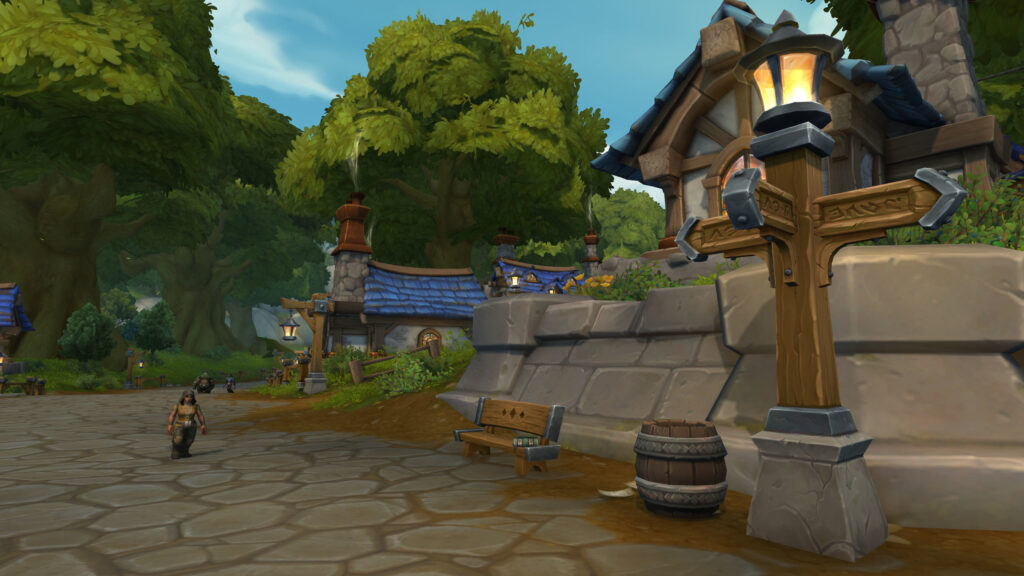
Scaling Preserves Challenge Across Power Levels
Scalable difficulty ensures encounters remain threatening regardless of gear growth. Players cannot simply outscale objectives, which keeps mechanics relevant and encourages attention to positioning, interrupts, and cooldown usage even outside instanced content.
Flexible Participation Encourages Consistent Engagement
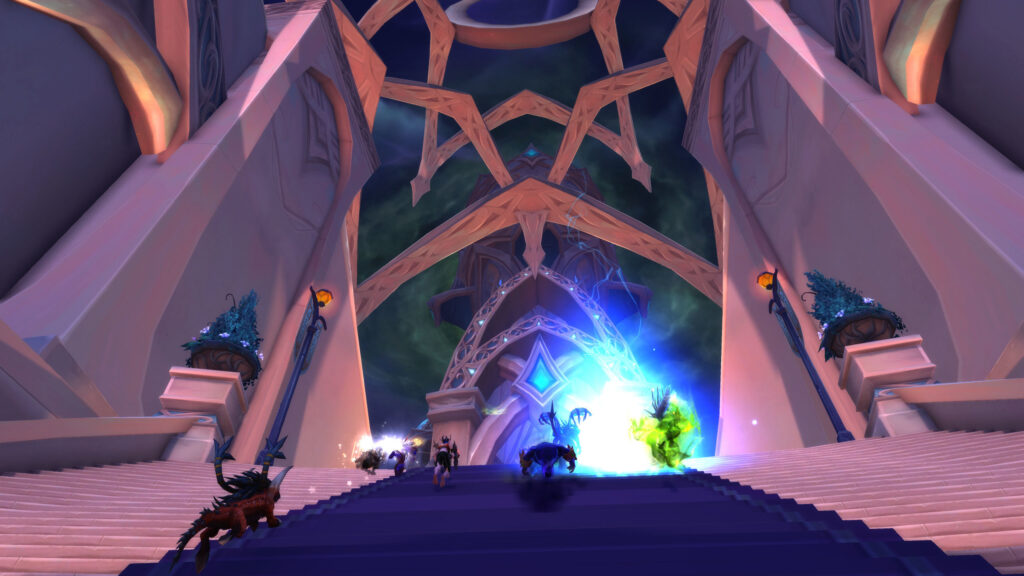
Players can join open-world objectives solo or with others without friction. Scaling adjusts automatically, allowing spontaneous cooperation while maintaining challenge. This accessibility keeps players active between scheduled group sessions.
Meaningful Rewards Justify Time Investment
When difficulty scales properly, rewards feel earned rather than incidental. Players view open-world endgame as a valid path for character growth instead of a secondary distraction.
| Scaling Feature | Player Experience | Engagement Result |
|---|---|---|
| Dynamic enemy strength | Consistent challenge | Sustained interest |
| Group-size adjustment | Low coordination cost | Frequent participation |
| Mechanic relevance | Active gameplay | Skill retention |
| Reward alignment | Clear value | Progress motivation |
Open-World Endgame Complements Instanced Content

Rather than replacing raids or dungeons, scalable open-world systems fill gaps in playtime. They allow progress on short sessions while reinforcing core combat skills used elsewhere.
Conclusion
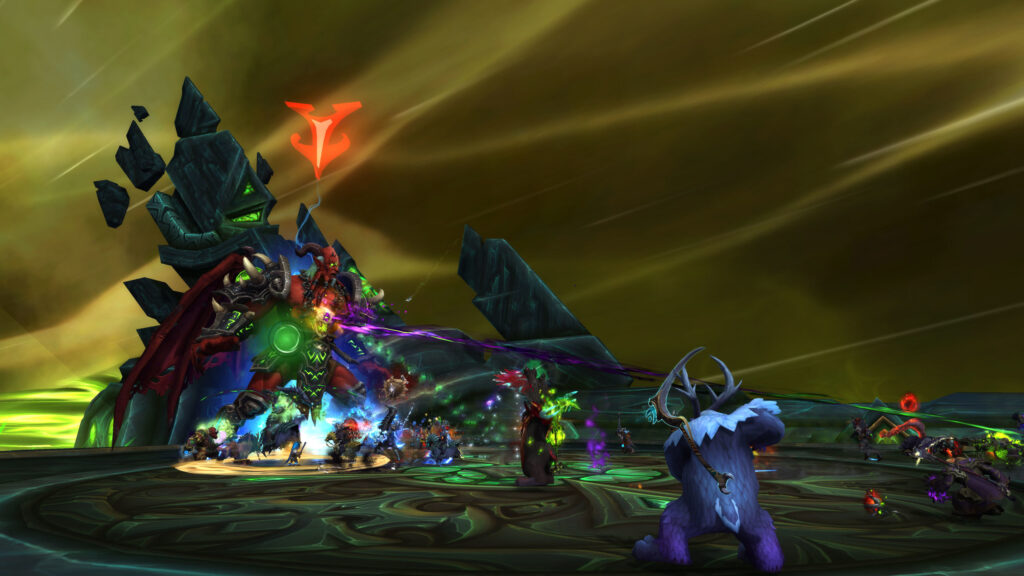
Open-world endgame activities gain relevance through scalable difficulty systems that preserve challenge, support flexible play, and reward skillful execution. Scaling elevates open-world content into a dependable pillar of endgame progression.
Leave a Reply